
English 


Views: 3 Author: Tongda Publish Time: 2026-10-06 Origin: Site


Pavement Crack Sealing: Material & Condition Selection Guide
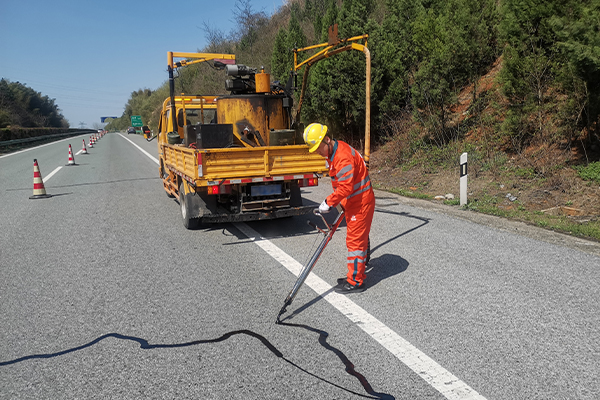
Highway crack sealing is a widely‑adopted preventive road‑maintenance technique. Its core function is to stop rainwater from damaging pavements and prevent existing road distresses from deteriorating further. When choosing maintenance solutions, you shall make comprehensive judgements based on local climate, road classification, pavement distress conditions and on‑site construction constraints. Meanwhile, supporting construction equipment will directly determine final repair performance.
1. What is Pavement Crack Sealing
Pavement crack sealing is a conventional preventive maintenance process. It targets various cracks appearing on asphalt and concrete pavements. Special sealing materials are filled into cracks to block rainwater, sand and gravel from penetrating into internal road structures. This stops pavement distresses from getting worse, protects road assets effectively and extends pavement service life.
2. Comparison Table of Mainstream Sealing Materials

3. Practical Material‑Selection Tips for Different Regional Road Conditions
Frigid Regions
Northern frigid regions experience long‑lasting low‑temperature winters with frequent frost‑related pavement damage. When selecting materials, prioritize low‑temperature tensile property and resilience performance. Qualified materials prevent hardening, cracking and peeling under cold weather, and reduce rework caused by repair failures.
Hot‑and‑Rainy Regions
Southern regions feature high pavement temperature in summer and heavy rainfall. Material selection shall focus on heat resistance, anti‑flow performance and water immersion resistance. This avoids softening and deformation under high temperature, as well as damage and debonding caused by long‑term rain exposure.
Urban Municipal Roads
Urban roads carry heavy traffic volume with high travel pressure. Long‑term road closure for repair work is impractical. Prefer materials featuring simple application, fast curing and quick traffic reopening. While guaranteeing repair quality, such materials minimize disturbance to public travel.
4. Supporting Maintenance Equipment Selection
To achieve ideal repair performance for sealing materials, matching professional construction equipment is required for coordinated operation:
- Crack routing machine: Trims irregular cracks into regular grooves for subsequent filling work.
- Crack‑cleaning & dust‑removal equipment: Cleans dust and loose debris inside cracks to secure a clean construction substrate.
- Crack pouring & sealing machine: For hot‑applied construction processes. It stably controls material temperature to guarantee consistent material property and uniform application.
Professional domestic highway‑maintenance enterprises draw extensive field construction experience nationwide, delivering integrated turn‑key solutions combining materials + equipment + construction techniques for engineering projects.
Xinxiang Tongda Highway New‑Technology Co., Ltd. is one of China’s early developers and manufacturers of new highway‑maintenance materials and special‑purpose equipment. The company holds multiple independent intellectual‑property rights and has obtained a series of industry system certifications.
Our solutions adapt to road‑maintenance projects across diverse national climate zones. Business scope covers maintenance materials, construction machinery and engineering services, providing professional technical support for all types of road‑maintenance projects.
5. Common Selection Misconceptions
❌ Misconception 1: Simply pursue lower material purchase prices without matching materials to local climate and road conditions. This will trigger frequent damage and rework, raising overall maintenance costs instead.
❌ Misconception 2: Only focus on material quality while ignoring pre‑construction crack‑cleaning procedures. Even premium repair materials cannot deliver satisfactory results if the substrate is not thoroughly cleaned.