English 


Views: 1 Author: Tongda Publish Time: 2025-12-11 Origin: Site


Why Highway Pavement Cracking Demands Professional Attention
Highways face constant stress from heavy traffic, weather cycles, and environmental factors. Unsealed pavement cracks allow water infiltration that undermines structural integrity, leading to potholes, base failure, and accelerated deterioration. Professional crack sealing using specialized asphalt crack sealing machines represents the most cost-effective pavement preservation method, extending highway service life by 3-5 years and providing a 5:1 return on investment compared to reconstruction.
How Modern Asphalt Crack Sealing Machines Work
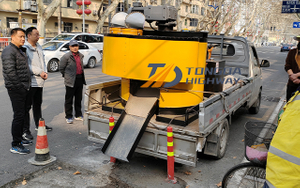
Today's highway-grade crack sealing machines combine advanced engineering with practical functionality:
Heating Systems: Efficient thermal management maintains sealant at optimal application temperatures (190°C-200°C for rubberized asphalt sealants) through dual-wall insulated tanks and precision temperature controls.
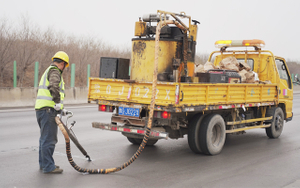
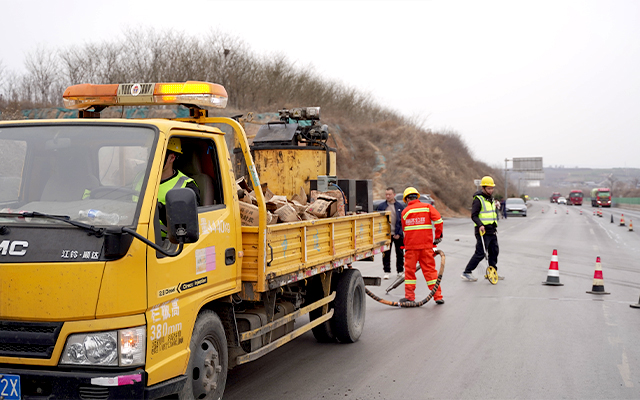
Application Precision: Highway models feature extended hoses and wand systems allowing operators to work from safety zones while delivering consistent sealant placement in cracks from 3mm to 50mm wide.
Production Capacity: Large melt tanks (150-400 gallon capacities) enable continuous operation without frequent refilling, crucial for extended highway projects.
Safety Features: Integrated systems include automatic shut-off, pressure relief valves, and fire suppression components meeting DOT safety standards.
Step-by-Step Highway Crack Sealing Process
1. Preparation & Safety Setup
Establish proper traffic control with signage, cones, and arrow boards following MUTCD guidelines.
Position attenuator trucks in work zones for crew protection.
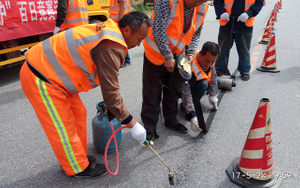
Clean pavement surfaces using specialized air blowers and mechanical routers.
2. Crack Preparation
Routing creates uniform reservoirs (typically 25mm wide × 12mm deep) for optimal sealant adhesion.
Thorough cleaning removes debris, vegetation, and moisture using compressed air and brushes.
Crack drying with preheating lances ensures proper bond formation.
3. Sealant Application
Proper temperature verification using infrared thermometers
Continuous pour application maintaining wand at 45-60° angle
Flush fill technique slightly overfilling cracks to accommodate compaction
Smooth finish using concave squeegees for proper surface interface
4. Post-Application Protocol
Controlled cooling period before reopening to traffic (typically 10-15 minutes).
Final inspection for coverage consistency and adhesion quality.
Documentation of treated areas for maintenance records.
Technological Advancements in Highway Crack Sealing Equipment
Intelligent Temperature Control: Modern microprocessor systems maintain ±3°C temperature consistency for optimal sealant viscosity and performance.
Eco-Friendly Innovations: Electric and hybrid models reduce emissions, while closed-loop systems minimize sealant waste.
Ergonomic Designs: Improved operator platforms, reduced noise levels, and better visibility enhance safety and productivity.
Data Integration: GPS tracking and application rate monitoring allow precise documentation for maintenance scheduling and warranty verification.
Best Practices for Highway Crack Sealing Projects
Optimal Timing: Perform sealing during dry conditions with pavement temperatures between 4°C-27°C for best results.
Material Selection: Choose highway-grade rubberized asphalt sealants with proven performance in your climate zone and traffic conditions.
Quality Control: Implement regular testing of sealant temperature, crack preparation quality, and application rates throughout projects.
Preventive Approach: Address cracks when they first appear (typically 3-6mm width) before they expand and allow significant water infiltration.
Economic and Safety Benefits
Proper crack sealing using professional equipment delivers measurable returns:
Cost Savings: 1$ spent on crack sealing prevents 6-10$ in future rehabilitation costs.
Safety Improvement: Smooth sealed surfaces reduce hydroplaning risks and improve traction.
Traffic Flow Maintenance: Quick application and fast cure times minimize lane closure durations.
Environmental Responsibility: Preserving existing pavement reduces material consumption and disposal
Choosing the Right Equipment for Highway Projects
When selecting asphalt crack sealing machines for highway applications, consider:
Production capacity matching your project scale and timelines.
Compatibility with approved sealant specifications.
Mobility and setup time for efficient lane closure utilization.
Durability for continuous operation under demanding conditions.
Tongda Highway Manufacturer support including solution, pre-sale technical service, road maintenance materials and equipment.
Professional asphalt crack sealing represents a critical component of modern highway maintenance programs. By investing in proper equipment and following established best practices, agencies and contractors significantly extend pavement life while optimizing maintenance budgets. The combination of advanced crack sealing machines, qualified operators, and quality materials ensures highway networks remain safe, functional, and cost-effective for the traveling public.
For highway authorities and contractors, implementing systematic crack sealing programs with proper equipment isn't just maintenance—it's strategic infrastructure asset management that delivers demonstrable value over the complete pavement lifecycle.